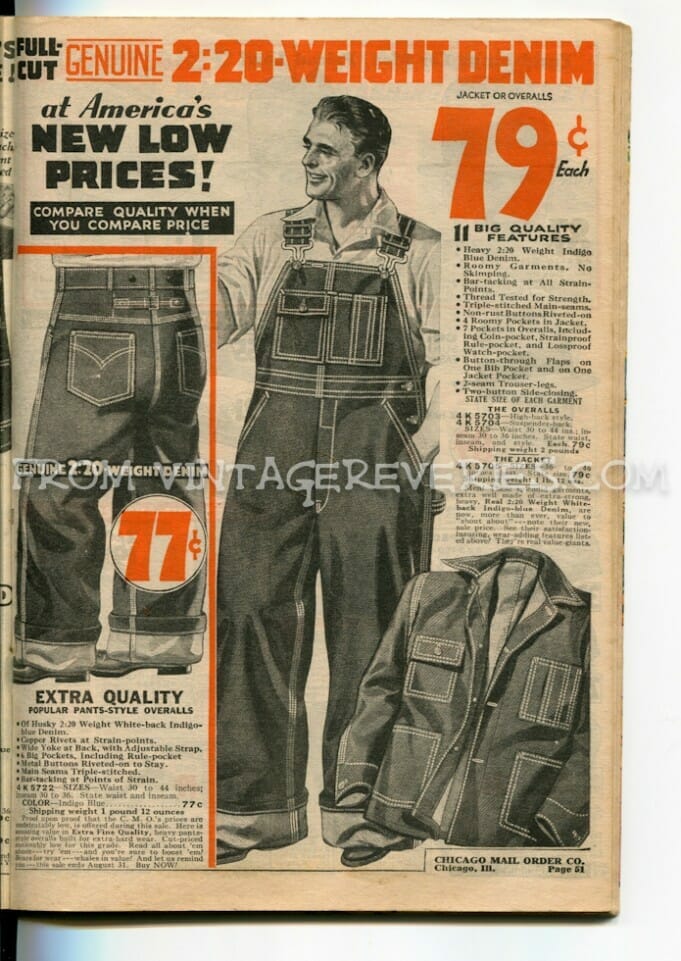
Fashion has always been a reflection of its time, and perhaps one of the more fascinating eras for style is the 1930s. The summer 1935 Chicago Mail Order Company catalog provides a wonderful lens into how men’s and boys’ fashions transitioned during this pivotal decade. What’s especially striking is how timeless many of the styles remain—particularly men’s suits, which haven’t changed drastically in nearly a century! But equally fascinating are the prices and details included in these advertisements, which offer a glimpse into both fashion trends and the socio-economic landscape of the 1930s. Let’s take a closer look at some of the highlights from this catalog.
Men’s Suits: Timeless Elegance at Depression-Era Prices
The 1930s was a decade of recovery and resilience. Following the Great Depression, which began in 1929, fashion didn’t abandon class or elegance, even though affordability became a key concern for most Americans. This is especially apparent in men’s suits from the time. The 1935 catalog features suits in classic styles that wouldn’t look out of place even today. Tailored jackets, pleated trousers, and choices of single or double-breasted designs were staples of a polished, put-together look that transcends time.
The prices, though, are jaw-dropping by today’s standards. A complete men’s suit could be purchased for as little as 8.95—asumthatfeelsimpossiblylowuntilyouconsidertheeconomicconditionsoftheera.Adjustedforinflation,8.95 in 1935 is roughly equivalent to about $200 today, still a bargain compared to modern-day suit prices! Even so, during the Great Depression, most families operated on tight budgets, and owning even one or two suits was a sign of respectability and social standing.
Shirts for 37 Cents: Classic Style on a Budget
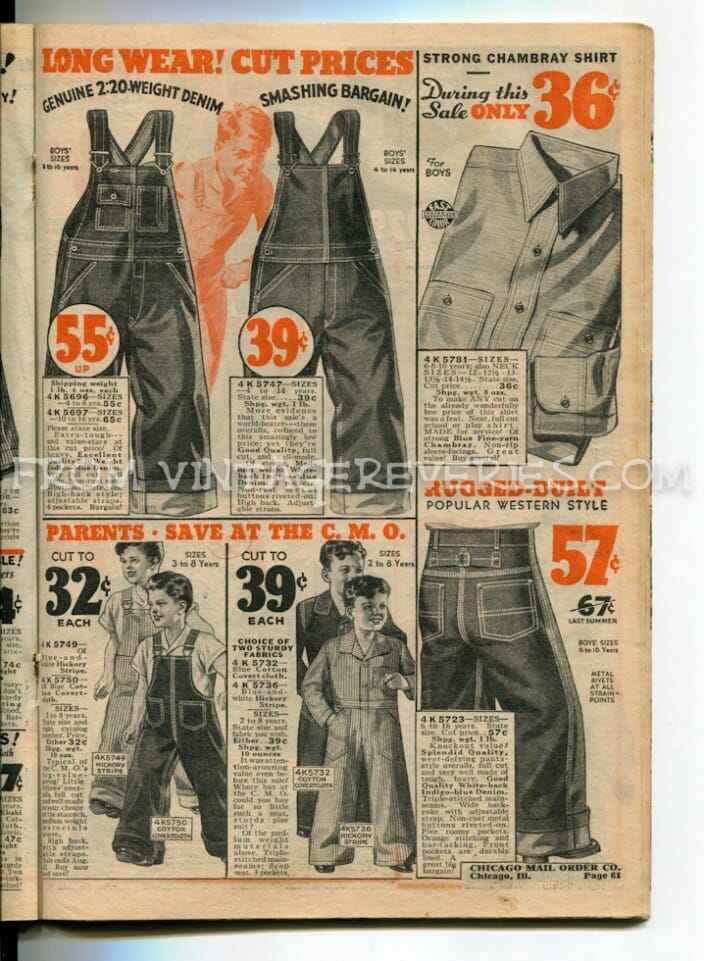
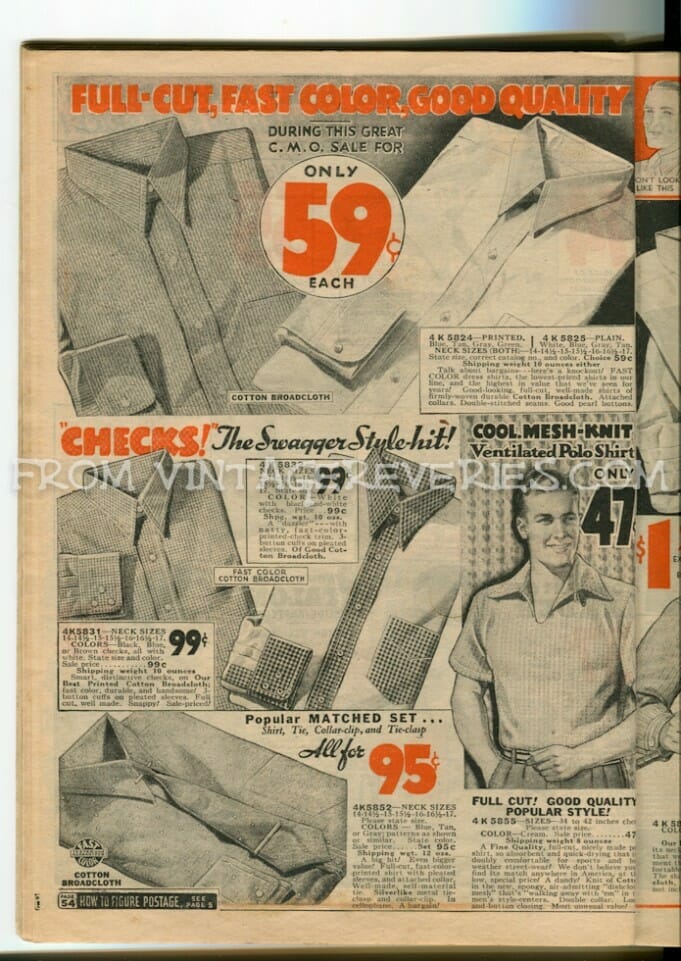
The catalog also featured men’s shirts, described as being made from “fine yarn blue chambray” material, priced at only 37 cents. These shirts had a utilitarian elegance—simple designs and durable fabrics that made them suitable for both work and leisure. Chambray, with its lightweight but sturdy weave, was an ideal choice for the era when men needed clothing that could withstand daily wear while still looking sharp. Interestingly, the classic styling of these chambray shirts means you could easily imagine them being sold in stores today under labels marketing “vintage-inspired workwear.”
It’s remarkable that, while the prices have changed astronomically, the aesthetic of these shirts remains relevant. Pair one with modern jeans or chinos, and no one would guess its design origins reach back nearly a century!
Hats of Distinction: Tying Together a Gentleman’s Look
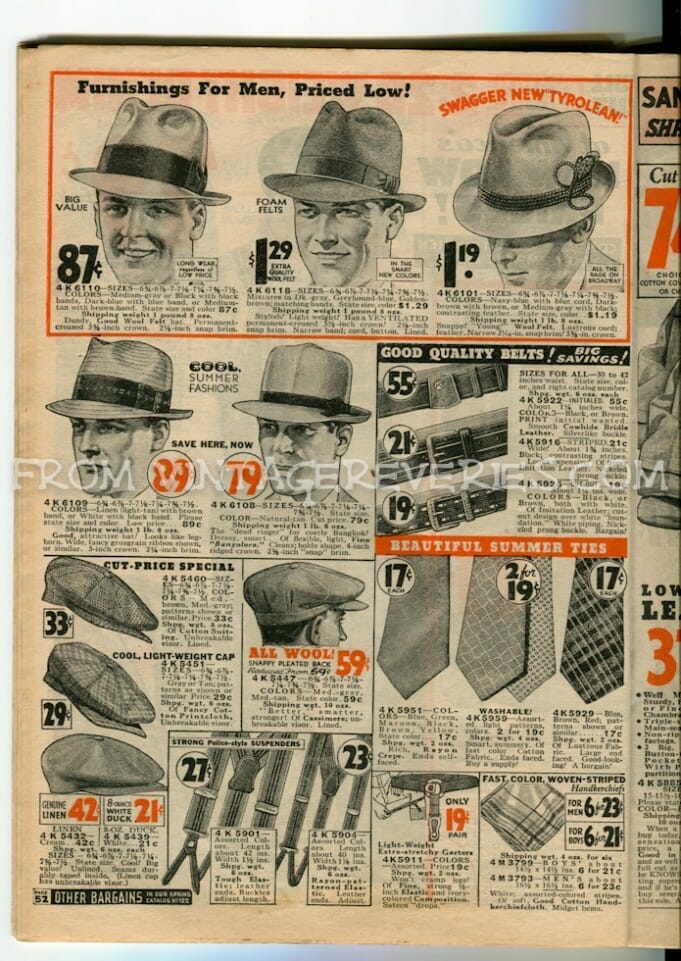
In 1935, no man’s outfit was complete without a proper hat. Hats were both a functional and stylish accessory, protecting against the elements while conveying a sense of dignity and taste. From fedoras to straw boater hats, the catalog offered a variety of options to suit individual styles and occasions.
Fedoras, in particular, were a hallmark of sophistication that carried a man’s wardrobe effortlessly from summer strolls to business meetings. The straw boater was a more casual option, perfect for leisure activities and sunny weekends. A hat wasn’t just an accessory in the 1930s—it was a symbol of identity, and its omission was unthinkable for most men of the time.
Boys’ Fashions: Miniature Versions of Men’s Styles
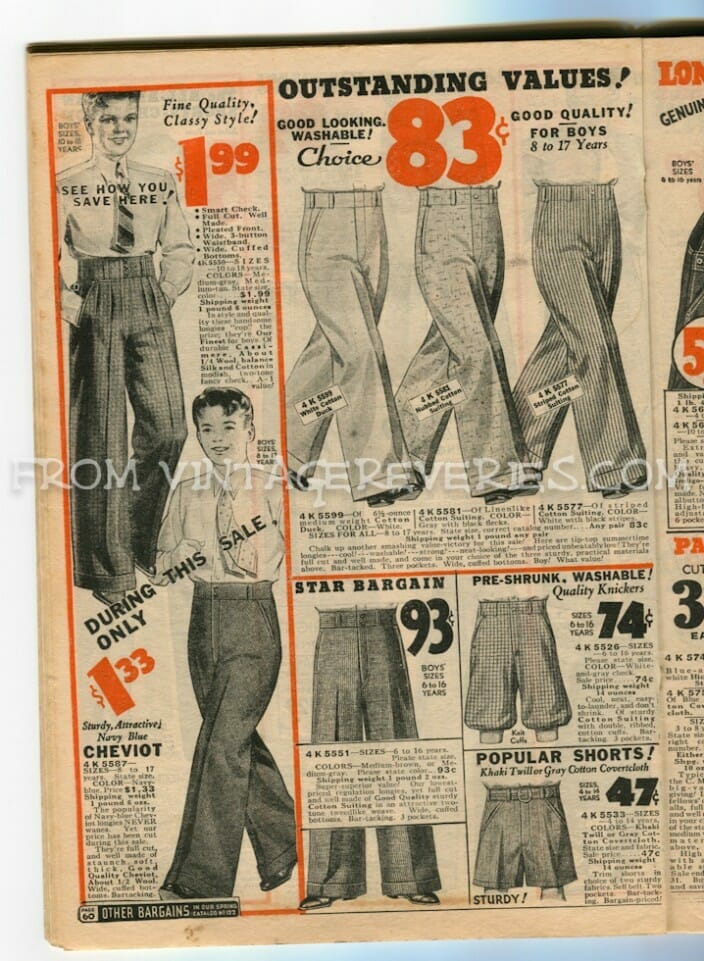
Much like today, boys’ clothing in the 1930s often mimicked that of their fathers, albeit with adjustments for practicality and comfort. From tailored suits and dress shirts to shorts and knickerbockers, boys’ clothing reflected the same emphasis on simplicity and durability seen in men’s fashion. Parents shopped wisely, ensuring their children were dressed respectably, which was particularly important during a time when appearances mattered greatly in public settings.
What’s particularly interesting about children’s clothing from this era is how much it has changed compared to the relatively consistent styles of men’s suits and shirts. While society has largely embraced a more casual approach to kids’ fashion in modern times, the 1935 catalog reminds us of a time when boys were dressed as miniature gentlemen, complete with pocket squares, bow ties, and caps.
Advertising in the 1930s: Shaping Aspirations
Aside from the clothing itself, the advertisements in the catalog are a testament to the changing landscape of marketing in the 1930s. Compared to today’s slick, heavily produced campaigns, 1930s ads often featured simple line drawings or black-and-white photographs. Copywriting was direct, emphasizing value and quality to appeal to budget-conscious shoppers. It’s interesting to note, however, that despite the economic challenges of the time, these ads avoided a tone of hardship. Instead, they promoted the idea of self-improvement, upward mobility, and pride in one’s appearance—values still central to fashion marketing today.
Historical Context: A Society in Transition
The fashions in this catalog—and the way they were marketed—cannot be separated from their historical context. The United States in 1935 was still climbing out of the shadow of the Great Depression. New Deal policies under President Franklin D. Roosevelt were beginning to take effect, offering hope to many Americans. Fashion, too, was a reflection of this cautious optimism. Practicality was key, but people still found ways to embrace style and individuality, even in tough times.
For men, well-tailored suits and neatly-pressed shirts became emblems of resilience and respectability, while boys’ clothing reminded families of the importance of raising future gentlemen. Fashion was more than just clothing; it was a reflection of identity, aspirations, and the hope for better days ahead.
Final Thoughts: Timeless Elegance in History
Looking back at the 1935 Chicago Mail Order Company catalog not only highlights how fashions have evolved but also underscores what has stayed the same. Many styles from 1935 remain relevant today because they are rooted in classic, functional design—proof that some elements of style truly transcend time.
And yet, the historical details surrounding these humble fashion items—from suits to hats and even boys’ knickerbockers—remind us of an era when clothing wasn’t just about self-expression but survival, respectability, and hope. It’s a fascinating window into the past, where times were challenging but elegance and dignity were never out of reach—even at the affordable price of 37 cents for a shirt.
Below are the scans from this section of the Summer 1935 Chicago Mail Order Company: