
Timeless Style, Curated for You
Sharing fashion trends from the past to inspire you today. Unique history blog and boutique by fashion and thrift addict Jessica.
5-Star Vintage, No Matter Where You Click.
Feel free to shop on your preferred platform, but know that VintageReveries.com is fee-free for me, so it’s always cheaper for you.
Don’t see an item listed here? My online inventory is vast and not everything makes it to the website immediately. If you spot a treasure on my eBay or Poshmark that isn’t listed here yet, don’t buy it there!
Contact Me with the link. I will instantly create a private listing for you on this site at a discounted, fee-free price.
Unlock the Archive:
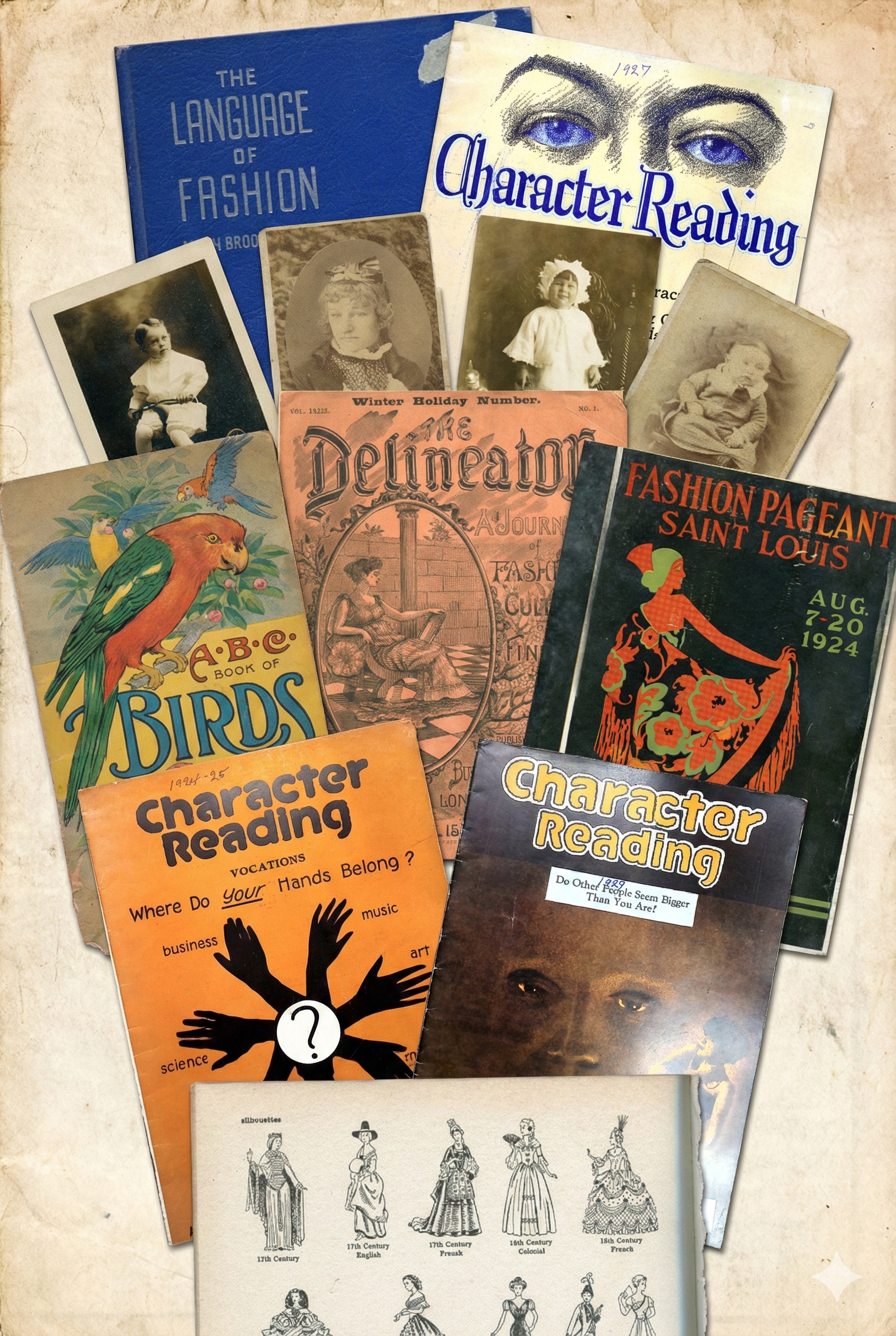
500+ High-Res Vintage Scans
Designers, historians, and junk journalers—stop hunting for low-quality images. I’ve opened my personal vault of rare ephemera (1890s–1950s).
Get instant, unlimited access to high-resolution scans of fashion magazines, articles, and antique illustrations.
Public Domain safe & Commercial use friendly.
Shop the latest vintage fashions:



Vintage Steals & Deals
-
Sale!

Vintage 60s Union Made 100% Pure Cashmere Topcoat – Camel Long Overcoat | Men’s 40 L | Tailor Re-Line Project
Original price was: $250.00.$130.00Current price is: $130.00. -
Sale!
Vintage 1960s Youthmodes Petites Tan Suede Coat with Real Mink Collar, Union Made
Original price was: $95.00.$59.00Current price is: $59.00. -
Sale!
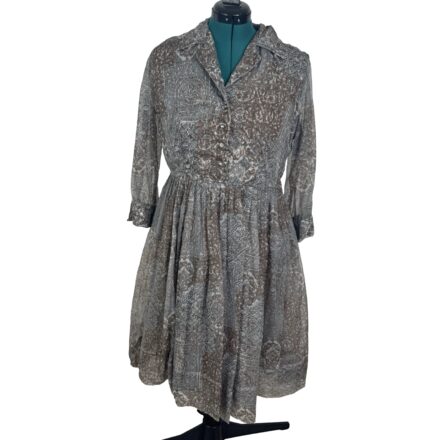
1970s Faux Two-Piece Paisley Dress – Size 12, Lined, Side Zip, Flaws
Original price was: $84.00.$42.00Current price is: $42.00. -
Sale!
Vintage Handmade Paisley Dress – Flawed, Priced Accordingly
Original price was: $60.00.$15.00Current price is: $15.00.


Shop by Era & Style
From the roaring 20s to Y2K vibrancy. Find the specific silhouette that speaks to your soul.

Coats and Jackets

Downloads

Misc. Vintage Clothing & Accessories

Tops and Blouses

Vintage Dresses

Vintage Mens Clothing

Vintage Skirts

Vintage T-Shirts
Fashion History & Inspiration

The 7 Rooms of Your Mind: A Guided Tour of Your Own Head
Step inside the mind as 1924 imagined it: a seven-room house where energy, intellect, artistry, and spirituality each occupy their own space. This captivating article from Character Reading magazine reveals how the Roaring Twenties understood personality through the now-debunked science of phrenology—offering a fascinating glimpse into vintage psychology, self-improvement culture, and the American obsession with scientific success.

What Your Handwriting Reveals: A 1920s Graphology Workshop on T-Bars and Loops
Step into a 1920s graphology workshop where your fountain pen strokes reveal hidden truths. Handwriting expert Hall Cameron’s 1924 analysis decoded personality through T-bars (the “barometer of courage”), the letter F (business mogul or missionary?), and disconnected script (surprise—you’re psychic!). Explore how Jazz Age Americans used handwriting analysis to understand themselves in an era of rapid social change, and discover what your own handwriting might reveal according to vintage personality science.

The 1924 Sales Manual: Selling Cars by Face ShapeThe 1924 Sales Manual That Matched Cars to Face Shapes: A Bizarre Chapter in Automotive HistoryThe 1924 Sales Manual: Selling Cars by Face Shape
In 1924, Durant Motors trained its salesmen to do something extraordinary: sell cars based on facial features. Round face? You needed comfort and padded seats. Pear-shaped face with a pointed chin? You craved beauty and luxury (but might not make your payments). This wasn’t one salesman’s quirk—it was official corporate policy, codified in a training manual by character reading expert Edna Purdy Walsh. Step into the strange world where jawlines determined which automobile you’d drive home, and discover how pseudoscience shaped the cutthroat competition of the Roaring Twenties auto industry.

Do You Have the “Mental-Motive” Temperament of a High-Powered Attorney?
Before the LSAT and law school rankings, there was phrenology. This remarkable 1924 article from Character Reading Magazine reveals how career counselors determined legal aptitude by examining skull shape and facial bone structure. Real estate lawyers needed prominent “Locality” organs to avoid getting lost, criminal attorneys required heightened “Secretiveness,” and trial lawyers needed “Combativeness” bumps behind their ears. Explore this fascinating glimpse into Jazz Age vocational guidance, when your professional destiny was literally written on your face—and discover what the “Mental-Motive” temperament supposedly revealed about high-powered attorneys of the Roaring Twenties.

Introducing the Founders Pass: My Digital Archive, Unlocked
I’m opening up my private scan vault. The new Founders Pass gives you 90 days of access to my growing digital archive: high-res PDFs and zipped image files from rare, useful public-domain publications—including the 1924 St. Louis Fashion Pageant, Character Reading magazines, and a 1916 book of birds. I’m building this as a living collection (not a one-off product drop), and I’m donating 5% of membership revenue to the Internet Archive to support preservation work.

1920s Baby Readings: Determining a Career Before They Can Walk
In 1924, anxious parents didn’t just worry about milestones—they sent baby photographs to Character Reading magazine to discover if their infant was destined to become a banker, surgeon, or concert pianist. Explore the fascinating world of 1920s baby character analysis, where phrenology met parental ambition and editors confidently predicted careers based on skull shapes and facial features. From “Baby Dan the banker in the bud” to dietary prescriptions for chemical deficiencies diagnosed from photos, these vintage readings reveal the hopes, anxieties, and pseudoscientific beliefs of Jazz Age parenting. A charming and slightly unsettling glimpse into how every generation tries to unlock their children’s futures.

The “You and I” Faculty: Why Some Men Are Different When You Get Them Alone
In December 1924, Character Reading Magazine explored a fascinating concept called “Conjugality”—the brain faculty that supposedly explained why certain men seemed dull at parties but transformed into attentive, passionate companions in private. Rooted in phrenology, this “You and I” faculty offered Jazz Age women a seemingly scientific way to understand selective love, marital compatibility, and the distinction between romantic passion and parental devotion. While the skull-reading science has been thoroughly debunked, the behavioral observations reveal timeless insights about introversion, attachment styles, and the search for lasting love. Explore this captivating glimpse into 1920s relationship psychology and self-improvement culture.

Why Some People Love Storms and Mountains: The “Sublimity” Bump
Ever wondered why some people love thunderstorms while others prefer sunny days? In 1924, character readers believed it was all about “Sublimity”—a brain center that governed our love of majesty, grandeur, and the sublime. Explore this fascinating vintage personality theory featuring silent film star Alice Joyce, complete with practical lifestyle predictions and the pseudoscience that captivated Jazz Age America.

Is Your “Personality House” Crumbling? A 1924 Structural Engineer’s Guide to Character
What if your personality were a house—would it pass inspection? In December 1924, psychologist Honore Wright asked this revolutionary question in Character Reading Magazine, creating a metaphor that brilliantly merged America’s construction boom with emerging psychology. Walk through “Personality Town” and discover whether your foundation is crumbling, your lights are flickering, or your heating system needs repair. From calcium-rich diets for building “structural bones” to the wild world of 1920s advertisements promising everything from telepathic powers to “iriological diets” based on eye color, this deep dive reveals how the Roaring Twenties shaped modern self-improvement culture—and why these century-old insights remain surprisingly relevant today.

Do You Have the “Author’s Forehead”? A Phrenology Check for Writers
In 1924, aspiring writers didn’t need talent or practice—just the right bumps on their forehead. This vintage guide from Character Reading magazine claimed phrenology could unlock your hidden literary genius by measuring your skull’s “seven rooms.” Featuring analyses of Charlie Chaplin and bestselling novelist Vicente Blasco Ibáñez, this peculiar slice of Jazz Age pseudoscience reveals how desperately people sought shortcuts to creative success. Could your forehead bumps predict bestseller status? Discover what the phrenologists believed in this fascinating dive into 1920s self-improvement culture.

Don’t Fear Wrinkles! A 1924 Guide to Reading Your Face Lines
In December 1924, Character Reading magazine published a revolutionary article that challenged the beauty industry’s anti-wrinkle hysteria. Writer Edna Purdy Walsh argued that facial lines weren’t signs of aging—they were biographical maps revealing your thoughts, character, and life experiences. Discover how this Jazz Age perspective on “good wrinkles” versus “bad wrinkles” offered women permission to age with dignity, what different facial lines meant according to 1920s physiognomy, and why this nearly century-old message about embracing your face’s story resonates more powerfully than ever in our filter-obsessed modern world.

Mother or Actress? The 1924 Struggle for Identity
In 1924, American women faced an unprecedented identity crisis. Just four years after winning the right to vote, they were caught between the glamorous “New Woman” ideal and traditional domesticity. A remarkable article from Character Reading magazine offered surprising wisdom: courage isn’t about being fearless everywhere—it’s about finding the role where you truly belong. Explore this timeless message about authenticity, confidence, and the struggle to be yourself in a world demanding you be everything to everyone.
Get 10% Off Your First Vintage Find
Subscribe to receive a 10% off welcome coupon by email, plus early access to new vintage drops, behind-the-scenes sourcing notes, and scans of the old photos, programs, and paper ephemera I uncover and digitize.
Almost there! Please check your email inbox right now and click the link in our confirmation message to complete your subscription. (If you don't see it, check your spam folder!)