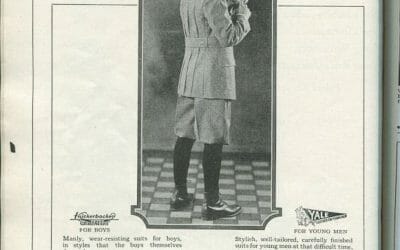
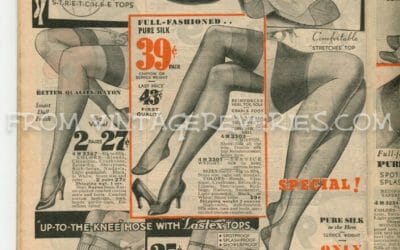
Step back into 1935 with the Chicago Mail Order Company catalog, showcasing timeless men’s and boys’ fashions. From $8.95 tailored suits to 37-cent chambray shirts, fashion during the Great Depression emphasized elegance and practicality. Discover the vintage appeal of fedoras, knickerbockers, and shirts that still inspire today’s styles.
Welcome to my Vintage Blog
VintageReveries began in 2011 as my attempt to understand why old dresses, faded photos, and crumbling catalogs move me so deeply.
Here you’ll find my journey as a vintage seller and collector, mixed with deep dives into 1930s and Edwardian fashion, WWI‑era home‑front life, historic St. Louis landmarks, and rescued needlework patterns.
Here I mix citations and catalog scans with memories, styling experiments, and reflections on preservation. This blog is for anyone who wants vintage to feel not just “retro,” but real, intimate, and historically grounded. I’m glad you’ve found this little time capsule
Synopsis of The Great Waltz and more 1943 St. Louis Business advertisments
Here are more St. Louis beer and brewery advertisements and the synopsis of The Great Waltz from the 1943 St. Louis Municipal Opera Program.
Advertisers in these pages included: Falstaff Brewing Company, Manhattan Coffee, Efficiency Service Co (employment specialists), Griesedieck Brothers Brewing Company, The Circus Snack Bar at the Forest Park Hotel, and the Gaylord Container Corporation.
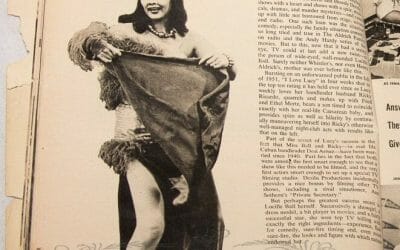
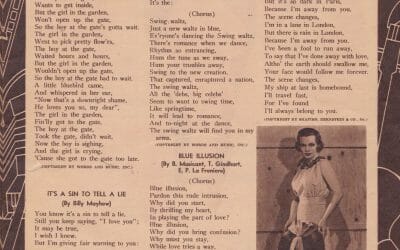
Dancing, Singing, NightClubs, and 1950s Stripper Stars
Wow. What a cool series of pinup and burlesque star history!
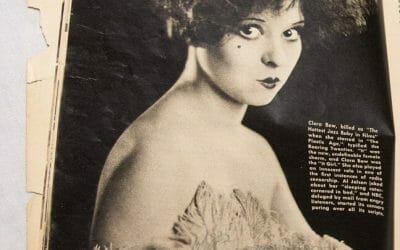
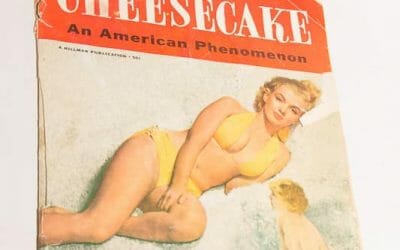
I’m not sure if there’s much of a point to the words in these pages, but the pictures show the history of fashion and burlesque with pictures including
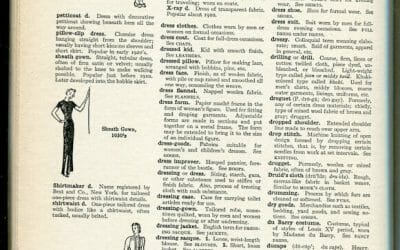
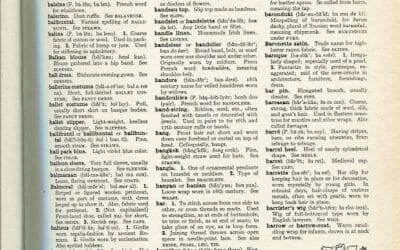
Last pages of The Language of Fashion
What a cool treasure, to find a fashion book published at the dawn of World War II. It’s been interesting to expand my fashion vocabulary, and to learn so many new things about the history of fashion.
1920s advertisements – mainly mens fashions
These illustrated fashion advertisements from 1924 are so interesting! These ads seem primarily directed to retailers, rather than the consumer…. I’ve not peeked thru the pages further than I’ve scanned them, and I’ve not researched the Saint Louis Fashion Pageant yet, so maybe it was more of an industry thing like NYC Fashion Week?
1940s ads for St. Louis Businesses
These 4 pages of the 1943 St. Louis Municipal Opera Program were a little less blatantly patriotic, but such a preponderance overall of beer advertisements and funeral parlors! In today’s modern theater program, you might find one advertisement for a Mausoleum, but not so many… it reminds me that 1943 was the thick of World War II when peoples’ husbands, sons, fathers and friends were coming home in body bags or not at all.
The Koch Family & 1849 St. Louis Cholera | Our Seven Children
In Chapter II of Our Seven Children, we shift to Reverend Sam’s maternal line: the Koch family. It is a story that begins with German immigrants, coffin makers navigating the catastrophic 1849 St. Louis cholera epidemic, and the fragile nature of family memory. Join me as I open a door to a branch of my family that had gone quiet, exploring how inherited trauma, lost stories, and rural Missouri history are preserved through a grandfather’s stubborn dedication to writing it all down.
When the Internet Was Wrong: How DNA, Census Math, and Bad Trees Helped Me Rebuild a Lost Family
Using DNA triangulation, census math, FAN-club research, and primary records, I reconstructed a lost Weasner/Wisner family network connected to the McDonald, Sturges, Morehouse, Goff, and Stewart families of Niagara and Upper Canada.
1920s Mens Fashion and Hat Ads
This starts out with a full page ad for The Snugset Clothes Company, which has an illustration of a fashionable man in a suit and alot of text (Men’s clothes that wear as well as they look!). Lion Hats by Langenberg Hat Co lets the picture do the talking. Bettmann-KleinHause Clothing Company (at 1204 Washington Ave.) has a full two page advertisement spread illustrating men and boys, and having on display: men’s suits, men’s overcoats, children’s suits, children’s knee pants, young men’s overcoats, young men’s suits, men’s and young men’s pants, and more.
Franklin and Essex Car ads
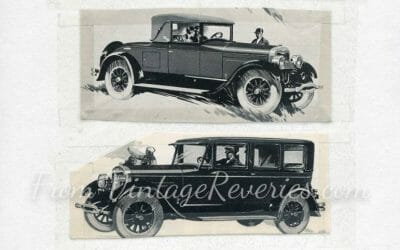
Here are ads for Franklin cars and Essex cars. I think, judging by the ladys’ cloche hats in the Essex automobile advertisement, that these old car ads are from the very early 1920s.
Late Edwardian Fashion Illustrations, Style Advice, Recipes and Advertisements
Discover the elegance and practicality of Edwardian fashion through the stunning illustrations and advice in The Modern Priscilla magazine from April 1917. From bridal styles and house dresses to children’s summer outfits and chic spring coats, this issue highlights the adaptable beauty of early 20th-century design. It even features a wartime baking powder recipe to substitute eggs, showing how homemakers balanced creativity and resourcefulness during food shortages. Dive into a fascinating snapshot of Edwardian life, complete with style, grace, and ingenuity!
History of Lingerie advertisements from the 1800s to the 1950s
Here are shown some lingerie and shapewear ads from the 1800s-1950s. The chemise replaced the corset cover by 1918, although shape wear was still worn in the 1920s to achieve that stylish “boyish” form. The inflatable bra of the 1950s replaced the “Victoria” bosom pad of 1879… such changes in lingerie styles and advertisements!
Turn of the century firefighter pictures
Here are pictures of firemen, a hose cart, and the Carondelet Heights Fire Association at the turn of the century.It looks like they’re showing off the new fire hose cart and maybe the fire hose, since the men are posed holding the hose unwound, on ladders against the next door building. The fire fighters are also shown acting like they’re pulling the fire cart, and there are no horses.
Timeline of Historical Fashion silhouettes thru the ages – Types of Satin continued
I find this fashion dictionary’s timeline of silhouettes thru the ages to be interesting, because people in certain eras interpret describe history differently than at other times. History is subjective, to a degree, if only because of the process of curating and deciding what to include or exclude in a synopsis. It’s interesting to see what a fashion expert writing this dictionary thought was important, and the descriptions they used, as compared to more modern historical perspectives.
Personal Prologue: Bringing Our Seven Children Back Into the Light
Old things do not preserve themselves.” In this series opener, I’m bringing Reverend Sam D. Bohnenkamp’s 1962 family memoir back into the light. Step inside a narrative that stretches from 1850s Germany to the brickyards of St. Louis and the rocky farms of Bourbon, Missouri. Chapter I follows the Bohnenkamp family through the heartbreak of a cholera epidemic and the grit of homesteading 120 acres in Franklin County. It’s not just a list of names—it’s a memory dump of barefoot summers, lost graves, and the stubborn survival of a Missouri family.
Baby shower card scans from the 1960s
I don’t ever want to have kids, but reading these 1960s baby shower cards just cheers me up! They’re so positive and cute, and fun to say:
A gift for someone Who is due – Hope Baby will like it… And YOU will, too!
Best of luck to all of you, Mom and Dad and Someone New
This shower gift is just for you, and in it you will find, a shower of very good wishes, the warm and friendly kind.”
Pinup Gals of World War I and World War II: Mary Pickford and Betty Grable
In World War I, Mary Pickford became the favorite pinup of soldiers when she dressed in uniform and toured the nation selling Liberty Bonds. In World War II, “demand for it [pictures of Betty Grable”] ran as high as 20,000 per week…”. “Able Grable”‘s legs appear in Army topographic maps designed to teach recruits how to hit their mark.
1935 Wool Bathing Suits, Women’s Sportswear, and Mens’ Underwear…
Dive into 1935 summer fashion with highlights from the Chicago Mail Order Company catalog! From wool bathing suits to women’s sportswear, men’s summer suits, and even a quirky zip-on chest supporter, these pages reveal the trends and practical designs that defined an era of innovation and leisure.
1935 Women’s Dresses and Fashion
Step back in time to 1935 and discover the timeless elegance of 1930s women’s fashion! Featuring Old Hollywood-inspired glamour, feminine caped-back dresses, dramatic collars, and the rise of “mannish” two-piece outfits, this era balanced chic sophistication with practical designs. Highlights include nautical-themed styles, crepe fabric dresses, and even a sport dress designed with a “suntan back” for that healthy glow. Explore vintage scans from the 1935 Chicago Mail Order Company Catalog and get inspired by the blend of movie star glamour and everyday practicality that defined the decade!
1930s nun and family photos
Discover a unique collection of 1930s photo scans featuring family moments, children, and Catholic nuns. These images offer a window into Great Depression-era fashion, faith, and middle-class life in the Midwest. Explore how modest clothing, short waved hairstyles, and community resilience defined this pivotal moment in history. Dive into this vintage family album for a glimpse into the past.
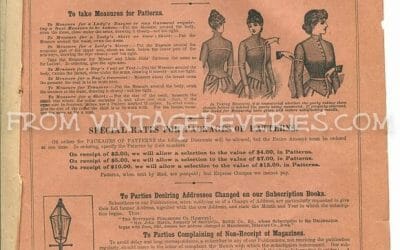
How to Measure for a Victorian Pattern – and The back pages of the 1892 Delineator Fashion Magazine
Whew! Finally done scanning this lengthy Victorian fashion magazine! I broke the spine while scanning it, but atleast now it's all digitally preserved. These last few pages of this magazine include alot of advertisements and illustrations....
St. Louis Fashion Advertisements from 1924
Here’s a captivating look at the August 1924 issue of the St. Louis Fashion Pageant, a local society and fashion magazine that reflected the roaring twenties in all its stylish glory. Featuring advertisements for flapper dresses, children’s shoes, and elegant coats, this issue highlights the city’s role as a hub of fashion and innovation. Many fashion companies were based on Washington Avenue, the heart of St. Louis’ bustling garment district, showcasing trends like beaded dresses, wash frocks, and non-wrinkle neckwear. Explore this unique time capsule filled with illustrations, ads, and photography from a pivotal era in American history!
1930s Wedding Photos, and How to Date old photos by hair style
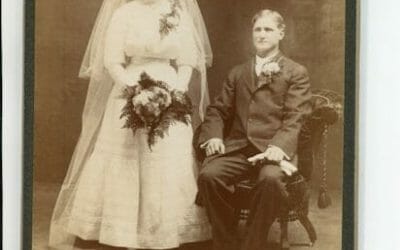
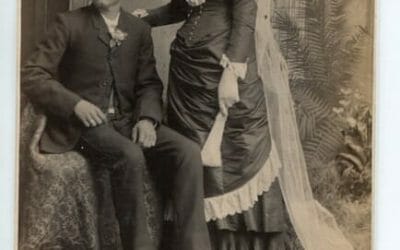
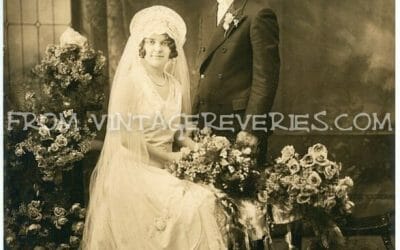
Take a step back in time with these stunning 1930s wedding photos. Captured by St. Louis photographer J.J. Belka, these portraits reveal timeless elegance during the Great Depression. Learn how hairstyles, like the iconic pin curls, can help date old photos. Discover the fascinating intersection of vintage fashion and history through wedding photography trends of this era.
1950s Wedding Photos: A Glimpse into Post-War Romance and Bridal Fashion
Step back in time with these genuine 1950s wedding photos of Mary and her family. Discover post-war bridal fashion trends, the influence of Christian Dior’s New Look on wedding dresses, and how wedding photography evolved during this romantic era. These authentic vintage photographs, spanning from 1913 to the 1950s, reveal three generations of changing wedding customs, fashion, and American culture.
Snake Oil & Success: The Wild World of 1924 Advertisements
Step into the wild world of 1924 advertising, where Americans could purchase brain-hacking courses promising 1,000% salary increases, follow diets based on eye color, learn telepathic mind control, and train for glamorous hotel careers. These extraordinary advertisements from Character Reading magazine reveal how the Roaring Twenties birthed modern self-improvement culture—complete with Pelmanism, iridology, “Pep Cocktails,” and correspondence courses promising to transform desperate strivers into successful elites. Discover how snake oil salesmen, legitimate opportunities, and pseudoscientific schemes competed for consumers’ dollars and dreams in an era before advertising regulation, when anything seemed possible and everyone had a secret to sell.
The 7 Rooms of Your Mind: A Guided Tour of Your Own Head
Step inside the mind as 1924 imagined it: a seven-room house where energy, intellect, artistry, and spirituality each occupy their own space. This captivating article from Character Reading magazine reveals how the Roaring Twenties understood personality through the now-debunked science of phrenology—offering a fascinating glimpse into vintage psychology, self-improvement culture, and the American obsession with scientific success.
What Your Handwriting Reveals: A 1920s Graphology Workshop on T-Bars and Loops
Step into a 1920s graphology workshop where your fountain pen strokes reveal hidden truths. Handwriting expert Hall Cameron’s 1924 analysis decoded personality through T-bars (the “barometer of courage”), the letter F (business mogul or missionary?), and disconnected script (surprise—you’re psychic!). Explore how Jazz Age Americans used handwriting analysis to understand themselves in an era of rapid social change, and discover what your own handwriting might reveal according to vintage personality science.
The 1924 Sales Manual: Selling Cars by Face ShapeThe 1924 Sales Manual That Matched Cars to Face Shapes: A Bizarre Chapter in Automotive HistoryThe 1924 Sales Manual: Selling Cars by Face Shape
In 1924, Durant Motors trained its salesmen to do something extraordinary: sell cars based on facial features. Round face? You needed comfort and padded seats. Pear-shaped face with a pointed chin? You craved beauty and luxury (but might not make your payments). This wasn’t one salesman’s quirk—it was official corporate policy, codified in a training manual by character reading expert Edna Purdy Walsh. Step into the strange world where jawlines determined which automobile you’d drive home, and discover how pseudoscience shaped the cutthroat competition of the Roaring Twenties auto industry.
Do You Have the “Mental-Motive” Temperament of a High-Powered Attorney?
Before the LSAT and law school rankings, there was phrenology. This remarkable 1924 article from Character Reading Magazine reveals how career counselors determined legal aptitude by examining skull shape and facial bone structure. Real estate lawyers needed prominent “Locality” organs to avoid getting lost, criminal attorneys required heightened “Secretiveness,” and trial lawyers needed “Combativeness” bumps behind their ears. Explore this fascinating glimpse into Jazz Age vocational guidance, when your professional destiny was literally written on your face—and discover what the “Mental-Motive” temperament supposedly revealed about high-powered attorneys of the Roaring Twenties.
Introducing the Founders Pass: My Digital Archive, Unlocked
I’m opening up my private scan vault. The new Founders Pass gives you 90 days of access to my growing digital archive: high-res PDFs and zipped image files from rare, useful public-domain publications—including the 1924 St. Louis Fashion Pageant, Character Reading magazines, and a 1916 book of birds. I’m building this as a living collection (not a one-off product drop), and I’m donating 5% of membership revenue to the Internet Archive to support preservation work.
1920s Baby Readings: Determining a Career Before They Can Walk
In 1924, anxious parents didn’t just worry about milestones—they sent baby photographs to Character Reading magazine to discover if their infant was destined to become a banker, surgeon, or concert pianist. Explore the fascinating world of 1920s baby character analysis, where phrenology met parental ambition and editors confidently predicted careers based on skull shapes and facial features. From “Baby Dan the banker in the bud” to dietary prescriptions for chemical deficiencies diagnosed from photos, these vintage readings reveal the hopes, anxieties, and pseudoscientific beliefs of Jazz Age parenting. A charming and slightly unsettling glimpse into how every generation tries to unlock their children’s futures.
The “You and I” Faculty: Why Some Men Are Different When You Get Them Alone
In December 1924, Character Reading Magazine explored a fascinating concept called “Conjugality”—the brain faculty that supposedly explained why certain men seemed dull at parties but transformed into attentive, passionate companions in private. Rooted in phrenology, this “You and I” faculty offered Jazz Age women a seemingly scientific way to understand selective love, marital compatibility, and the distinction between romantic passion and parental devotion. While the skull-reading science has been thoroughly debunked, the behavioral observations reveal timeless insights about introversion, attachment styles, and the search for lasting love. Explore this captivating glimpse into 1920s relationship psychology and self-improvement culture.
Why Some People Love Storms and Mountains: The “Sublimity” Bump
Ever wondered why some people love thunderstorms while others prefer sunny days? In 1924, character readers believed it was all about “Sublimity”—a brain center that governed our love of majesty, grandeur, and the sublime. Explore this fascinating vintage personality theory featuring silent film star Alice Joyce, complete with practical lifestyle predictions and the pseudoscience that captivated Jazz Age America.


Get 10% Off Your First Vintage Find
Subscribe to receive a 10% off welcome coupon by email, plus early access to new vintage drops, behind-the-scenes sourcing notes, and scans of the old photos, programs, and paper ephemera I uncover and digitize.
Almost there! Please check your email inbox right now and click the link in our confirmation message to complete your subscription. (If you don't see it, check your spam folder!)